Pushing the Boulder, Together
Alexis Buryk sensed something was wrong the moment her daughter described how her gait suddenly felt like it had become different. Katie remembers the moment clearly; needing to push herself up from chairs, using the stair handrails, and feeling a subtle, but noticeable change in her body before she could even begin to understand what it was. Katie’s twin sister, Allie, began having subtle changes of her own, particularly with her speech. The two twin sisters were eventually diagnosed with one, shared, rare disease.
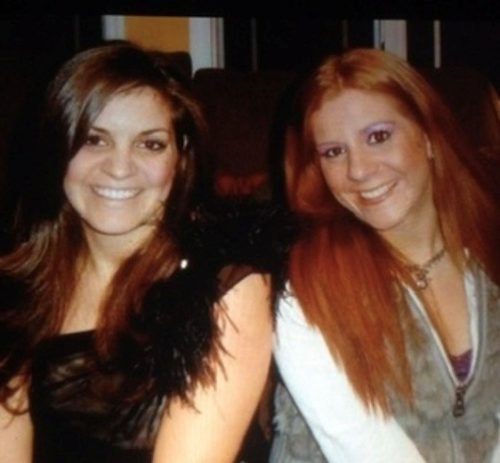
What began between 2010 and 2011 evolved into an eight-year diagnostic journey for Katie and her sister. During that time, they underwent numerous evaluations, doctors’ appointments and years spent watching symptoms progress without a name to the disease or a clear path forward. As their mother Alexis emphasized, “the problem is that we don’t have a lot of time, their disease keeps progressing”. Eventually, the two sisters underwent exome-sequencing which finally provided a diagnosis: adult Late-Onset Tay-Sachs disease.
Tay-Sachs disease is an autosomal recessive genetic disorder caused by reduced activity of the enzyme, beta-hexosaminidase A. Without enough of this enzyme, fatty substances build-up in the brain and around nerve cells, gradually damaging the nervous system. There are three onsets of Tay-Sachs disease categorized by the age at which symptoms appear. Symptoms include clumsiness, muscle weakness and mental health impacts. As the disease progresses, individuals living with Tay-Sachs may experience gradual loss of fine-motor skills and difficulty speaking and swallowing1.
In many ways, the Buryk’s story mirrors those of countless rare disease families; unexplained symptoms, a long diagnostic journey and the desire for a morsel of hope. Yet, their story took a different turn with the creation of the Katie & Allie Buryk fund. Alexis had spent 35 years at the New York Times, and through her connections, the family was able to find impactful ways to advocate the Tay-Sachs community. Additionally, they put an advertisement in the New York Times featuring a photo of Katie and Allie along with a description of the disease. This ad not only brought attention to rare diseases, but informed readers that the health-related symptoms they may be experiencing might not be random. In fact, because of this ad, a 70-year-old woman was ultimately able to get a diagnosis of Tay-Sachs disease, which she later shared with the Buryks at a family support meeting.
Since its creation, the Katie & Allie Buryk fund has raised over $1.2 million and supports various initiatives, including clinical trials and potential gene therapy research. In addition to the fund, Alexis helps maintain engagement with the Tay-Sachs community through annual updates and a ThinkTank event that brings together international medical experts each year. Although this fund has been extremely productive, the Buryks empathize with the idea that many families may not have the time or money it takes to start a fund, and even though $1.2 million is a remarkable achievement, it is only a fraction of what is needed to fund the research and clinical work required to produce an effective treatment.
For the Buryk family, the goal is simple but important: to push the rare disease space forward. A cure for Tay-Sachs would be ideal, but Katie and Allie do not expect it within their lifetime. As Alexis describes, “If a treatment isn’t for my kids, then at least we are working toward a treatment for the next generation”.
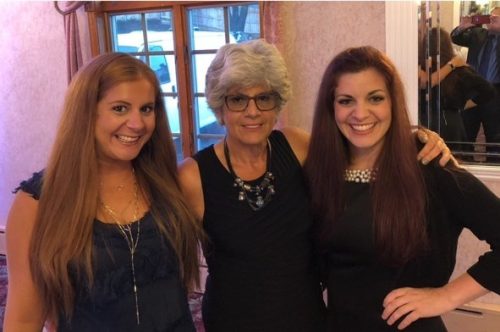
Despite the hope that fuels their advocacy, the Buryk’s have also encountered challenges that are familiar to many others in the rare disease community, from participating in clinical trials that were canceled to lack of understanding from healthcare professionals, the Buryks express the need for change within the rare disease space. Due to the low prevalence of Tay-Sachs disease in their local community, it is hard to get connected with others who understand the difficulties of living with Tay-Sachs which is exacerbated by lack of local support and resources. They hope that through their advocacy and the fund’s work, they can put a face and a personality to Tay-Sachs disease and motivate providers to do more.
Hope looks a little different for each member of the Buryk family. Katie hopes not only for a cure, but even something that slows progression and can give people more time. Alexis hopes for the next generation, believing that even if treatments don’t come in time for her daughters, the work still matters. Together, the Buryk family keeps “pushing the boulder up the hill”, not because it’s easy but because stopping isn’t an option.
Who’s made a difference in your rare disease? Whether it’s a teacher, parent, pastor, friend, or physician, if you want to recognize someone who has impacted your life, click here to nominate them!
- National Tay-Sachs & Allied Diseases Association. “Late Onset Tay-Sachs Disease.” 2026.